
How Do Precision Agriculture Tools Improve Farm Efficiency?
In today’s tech-driven world, even time-honored agricultural practices are undergoing a transformation. Insights from a seasoned Agronomy Adviser highlight cutting-edge trends that are reshaping farm operations. Discover how Cropler technology is driving efficiency and how real-time monitoring can significantly boost farm productivity.
- Boost Efficiency with Cropler Technology
- Optimize Water Use with Automated Irrigation
- Minimize Chemicals Using Data Insights
- Maximize Yield with Precision Seeding
- Make Proactive Decisions with Predictive Analytics
- Enhance Efficiency with Real-Time Monitoring
Boost Efficiency with Cropler Technology
I have personally witnessed the advantages of the implementation of Cropler technology on our farm, specifically in the use of potatoes, which are highly prone to being affected by disease and soil conditions - hence, being one of the most sensitive crops. The installation of Cropler's AI-based mobile agri-cameras on our farm has enormously boosted our precision farming strategies.
Before using Cropler, the procedure involved much physical labor and guesswork. This caused the wastage of resources, and the response time to crop threats was rather slow. The shift to Cropler instruments from traditional methods was an empowering moment. Laser and hyper-specialized cameras and app-based plant monitoring helped us have an effective and low-intensive plant health monitoring system we had never experienced before.
One clear example was a situation where we were able to foresee the late blight signs at an early stage. The cameras of Cropler, which were integrated with AI software, carried out the visual data review process, and probable indicators of the ailment that are often invisible to the human eye were singled out. The advantage of this early detection was getting the exact locations of the pathogen, which allowed us to apply fungicides using the smallest amount of chemicals possible.
Moreover, the technology gave us insights into the phenophases of potato growth. By making accurate observations of these stages, we were able to create irrigation water schedules based on the crop's requirements, rather than predefined schedules. This led to effective use of irrigation water, which consequently helped the plants grow healthily under optimum moisture conditions.

Optimize Water Use with Automated Irrigation
Automated irrigation systems optimize water usage by delivering precise amounts of water to crops exactly when they need it. This prevents overwatering, which can harm plant health and waste valuable resources. The systems are programmed based on weather forecasts and soil moisture data, ensuring that water is only used when required.
The result is healthier crops and lower water bills, leading to increased profitability. Invest in automated irrigation to save water and boost your harvests.
Minimize Chemicals Using Data Insights
Data-driven insights from precision agriculture tools help farmers minimize the use of fertilizers and pesticides by analyzing soil and crop conditions. This approach ensures that only the necessary amount of chemicals is deployed, preventing waste and reducing environmental impact. By closely monitoring crop needs, farmers can adjust their practices in real-time, leading to more efficient and sustainable farming.
Reduced chemical usage also supports healthier soil over the long term. Start using data insights to enhance crop health and protect the environment.
Maximize Yield with Precision Seeding
Precision seeding techniques are designed to plant seeds at the optimal depth and spacing, which maximizes yield and ensures a more uniform crop. By analyzing soil conditions and using GPS technology, these tools make sure each seed has the best chance to thrive. This not only increases the overall production but also reduces the need for later thinning and weeding.
As a result, farmers save time and reduce labor costs. Implement precision seeding to get the most out of every planting season.
Make Proactive Decisions with Predictive Analytics
Predictive analytics in precision agriculture enable farmers to make proactive decisions by forecasting weather patterns and pest outbreaks. By leveraging historical data and current conditions, these tools allow for better planning and resource allocation. This proactive approach means potential problems can be addressed before they impact the farm, ensuring smoother operations.
Predictive analytics lead to better crop management and higher resilience against unexpected issues. Adopt predictive analytics to stay ahead and safeguard your farm's productivity.
Enhance Efficiency with Real-Time Monitoring
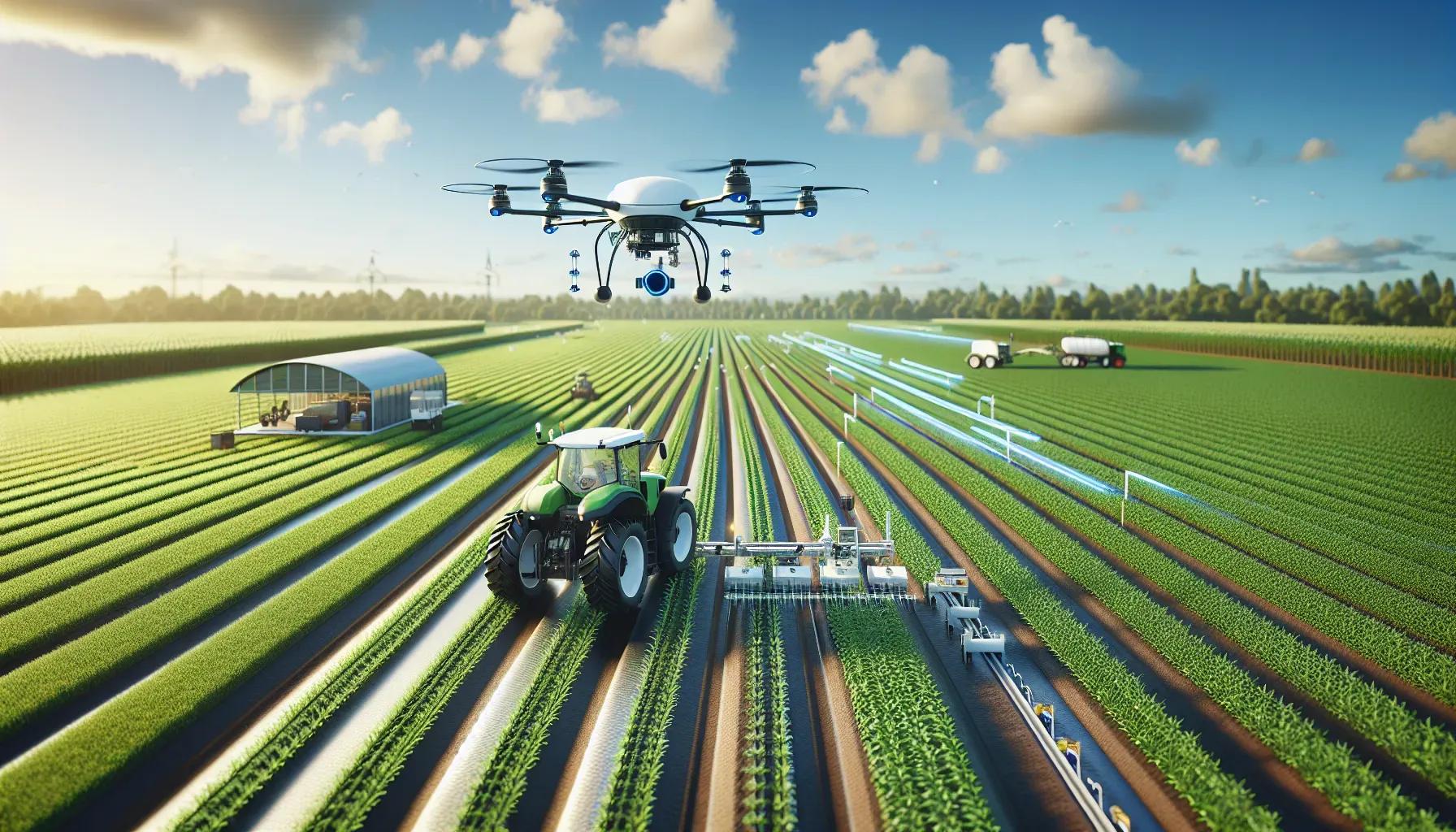
Real-time monitoring technology in precision agriculture provides farmers with immediate updates on the status of their fields. By using sensors and drones, these tools track crop health, growth stages, and potential threats continuously. This immediate access to information allows farmers to act quickly to address any issues, ensuring minimal impact on their yields.
Real-time data helps in making informed decisions promptly, which improves overall farm efficiency. Embrace real-time monitoring to keep your fields under constant supervision and respond swiftly to any challenges.